Kenyan SMEs Are Being Hacked — and Most Don't Even Know It Yet
Cyberattacks on Kenyan small businesses are rising fast, and most victims never detect the breach. Here's what every SME owner must do now.
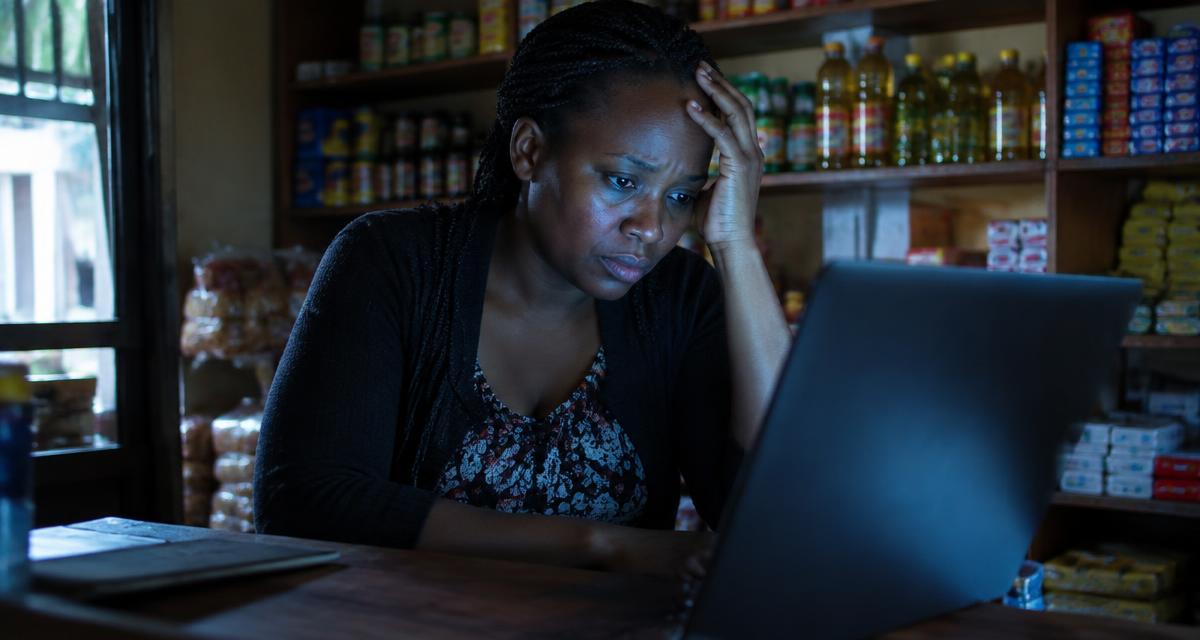
The most dangerous sentence in Kenyan business right now is this one: "We're too small to be a target." Attackers know exactly how small you are — that's precisely why they're coming.
Automated attack tools don't check your revenue before scanning your website, your email server or your point-of-sale system. They probe millions of systems a day, and small businesses — with outdated plugins, shared passwords and no IT staff — are the softest targets on the list.
What the attacks actually look like
- Fake invoice and payment-redirection emails that imitate your suppliers almost perfectly
- Ransomware locking up the one laptop that holds all your records
- Website defacement and customer-data theft through unpatched CMS plugins
- M-Pesa and banking fraud via compromised staff phones
The average SME doesn't discover a breach for weeks. By then, customer data is gone, money has moved, and the reputational damage is done.
Five fixes that cost less than one incident
- Turn on two-factor authentication for email, banking and admin panels — today, not this quarter.
- Update your website software and plugins monthly, or pay someone to do it.
- Back up critical data automatically, and test that you can actually restore it.
- Train staff to verify payment-change requests by phone before sending money.
- Get a basic security audit — it's cheaper than you think and finds the obvious holes first.
At Tacittech Systems, security audits and hardening are part of how we build every system — because we've seen what happens when they're an afterthought.
Cybersecurity isn't an IT expense. It's insurance on everything you've built.