M-Pesa Integration: The One Feature Your Business Website Can't Afford to Skip
If your Kenyan business website can't accept M-Pesa directly, you're losing sales daily. Here's how M-Pesa integration works and why it matters.
Somewhere in Kenya right now, a customer is ready to buy from a business website. They reach the checkout page and read: "Pay to Till number X, then send us the confirmation message on WhatsApp." They close the tab. That sale is gone forever — and the business owner never even knows it happened.
Manual payment verification isn't a payment system. It's a leak in your revenue.
What proper M-Pesa integration actually does
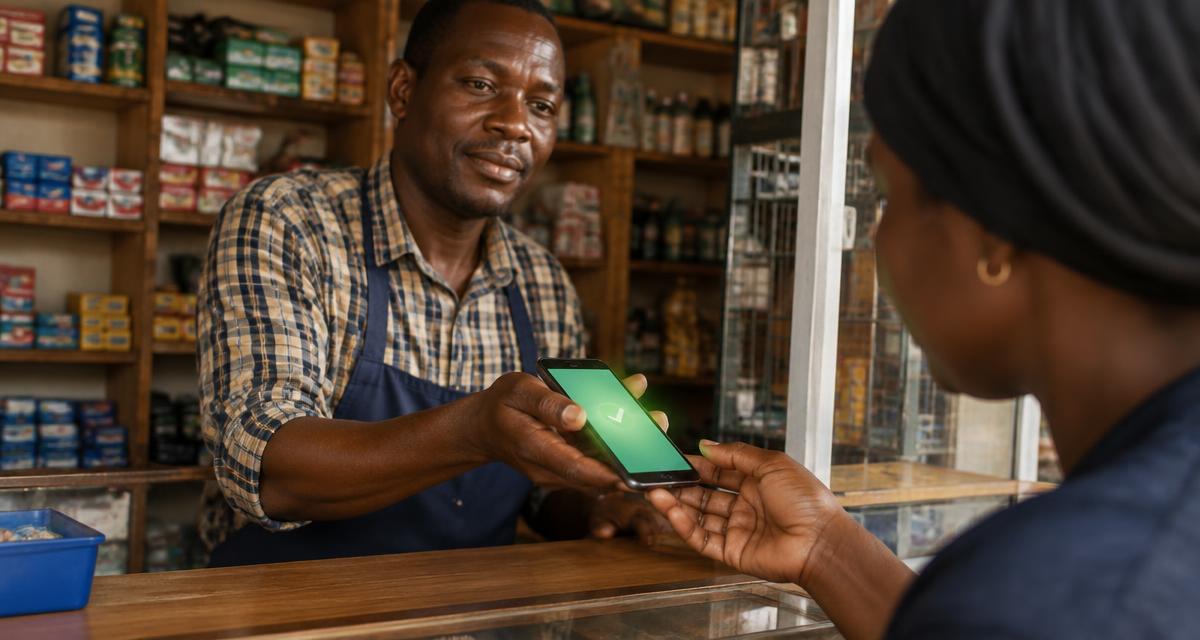
With a real integration through Safaricom's Daraja API, the customer enters their phone number, gets an STK push prompt, enters their PIN — and your system confirms the payment automatically, in seconds. No screenshots, no WhatsApp messages, no staff member cross-checking statements at the end of the day.
- Instant confirmation — orders fulfil immediately, even at 2am
- Zero reconciliation headaches — every payment matched to an order automatically
- Fewer abandoned carts — the fewer steps, the more completions
- Professional credibility — customers trust a checkout that works like the big players'
What it takes to set up
Less than most people assume. A registered business, a Till or Paybill number, and a developer who knows the Daraja API. The technical work is measured in days, not months — and it pays for itself in recovered sales remarkably fast.
We've integrated M-Pesa into e-commerce stores, booking systems and rental platforms across Kenya. It's consistently the single highest-impact feature we ship.
In Kenya, "we accept M-Pesa" isn't a feature. It's the price of admission.